

Stanton University’s Independent Financial Model Offers Stability Amidst Major U.S. Student Loan Policy Shift
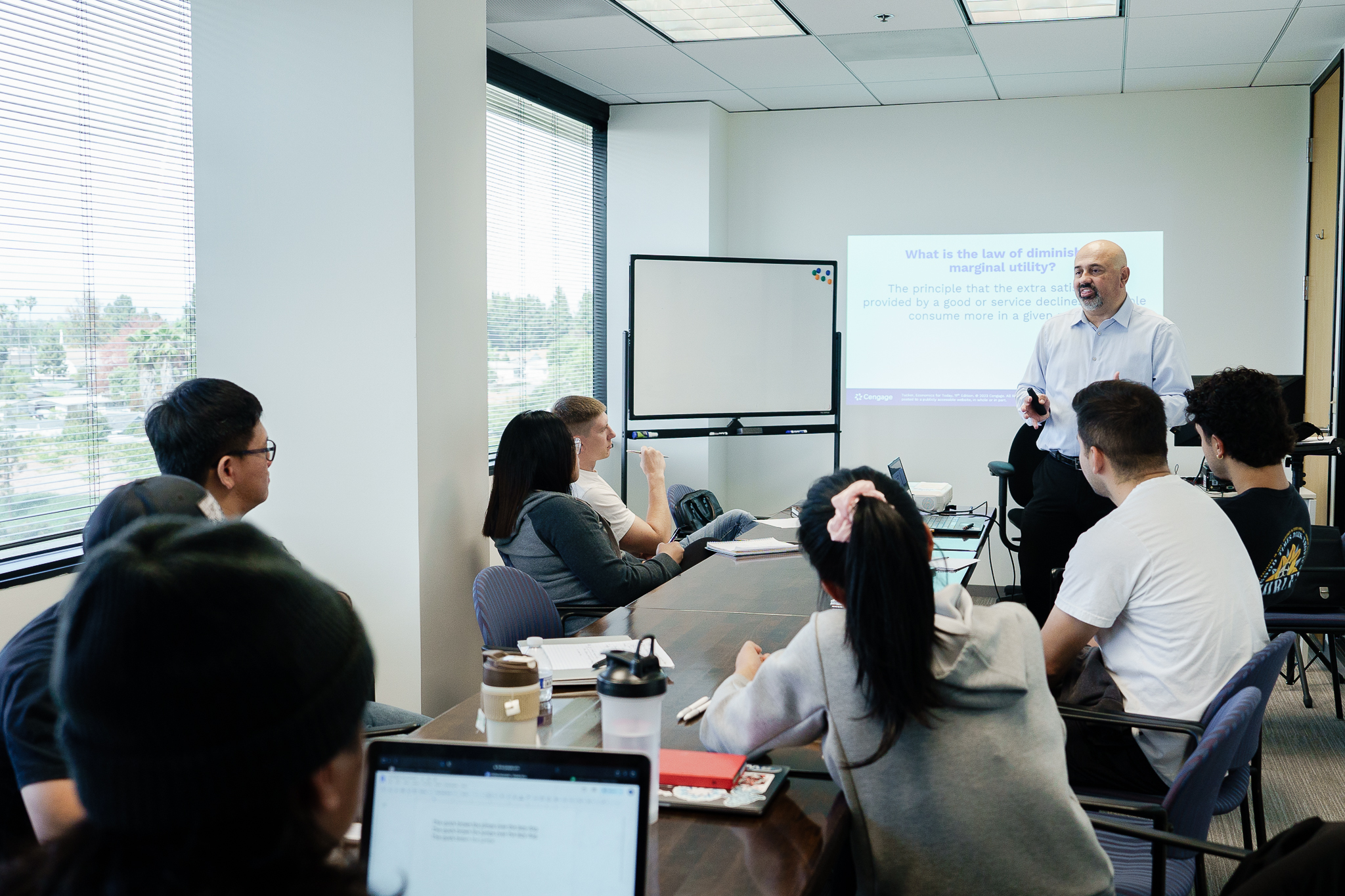
Stanton University remains financially strong and student-focused as U.S. student loan policies evolve.

Stability, predictability, and access—Stanton University’s independent model puts students first.
Stanton University’s independent financial model ensures stability and predictable tuition amid major U.S. student loan policy changes.
ANAHEIM, CA, UNITED STATES, January 5, 2026 /EINPresswire.com/ --
A major federal policy change is set to reshape the American higher education landscape, and experts predict it will place a new premium on the financial stability of colleges and universities. The recently announced termination of the SAVE (Saving on a Valuable Education) student loan repayment plan is expected to increase financial pressure on both students and the institutions that depend heavily on federal aid programs.
On December 12, the U.S. Department of Education confirmed that the SAVE plan, an income-driven repayment program, will end as part of a legal settlement, with new repayment structures taking effect in July 2026. A critical feature of the plan was its provision for "$0 monthly payments" for the lowest-income borrowers, a safety net that will now be removed.
This shift fundamentally alters the risk calculation for prospective students. Analysts suggest that without this protection, students who are sensitive to price and debt will become more hesitant to enroll, and universities may face unpredictable enrollment and yield rates. The change is expected to intensify scrutiny from families, who will increasingly ask tough questions about a degree's return on investment and a university's long-term viability. For the many U.S. institutions already facing financial strain, this development could prove critical, potentially accelerating a trend of university closures.
In this climate of growing uncertainty, Stanton University’s long-standing financial strategy positions it as a notable outlier. The university has deliberately built an operational model that is not reliant on federal student loan programs like FAFSA. According to a recent analysis by the university, this independence means the termination of the SAVE plan will have little to no direct impact on its financial stability.
While forgoing participation in federal aid programs may have excluded Stanton from certain national ranking systems, this choice has enabled the university to avoid the significant administrative costs associated with federal compliance. This leaner operational structure is a key factor in Stanton’s ability to offer its other student-centric initiatives, such as its multi-year tuition freeze and comparatively low overall tuition, providing students with financial predictability that is independent of federal policy shifts.
“The conversation in higher education is changing,” commented one industry analyst. “It’s no longer just about the sticker price, but about the stability and integrity of the institution itself. Students and their families are beginning to look past the brand name to the balance sheet, asking if the university they choose will be healthy for the long run.”
Stanton University's model of self-reliance provides a clear answer to that question. By prioritizing a stable financial foundation over reliance on debt-based enrollment, the university offers a secure environment that is insulated from the volatility of federal policy changes.
As prospective students, particularly those from abroad, are now being advised to more carefully vet the operational soundness of U.S. universities, Stanton’s model of proven financial independence and predictable costs presents a compelling and reassuring choice in an increasingly uncertain market.
Office of Communications
Stanton University
+1 7145396561
email us here
Visit us on social media:
LinkedIn
Instagram
Facebook
YouTube
Legal Disclaimer:
EIN Presswire provides this news content "as is" without warranty of any kind. We do not accept any responsibility or liability for the accuracy, content, images, videos, licenses, completeness, legality, or reliability of the information contained in this article. If you have any complaints or copyright issues related to this article, kindly contact the author above.
